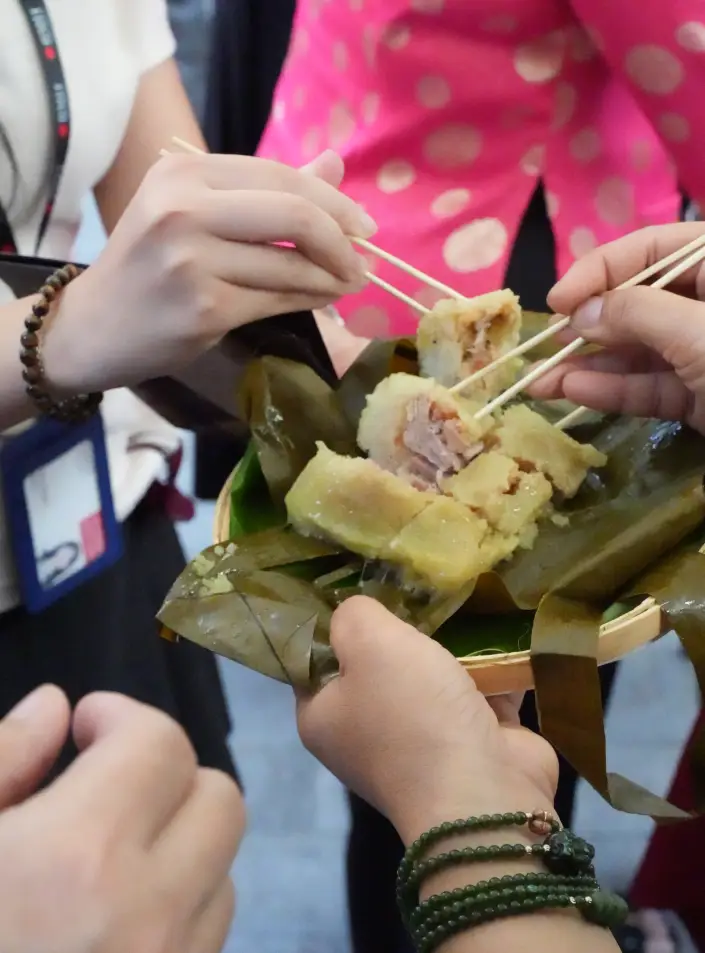
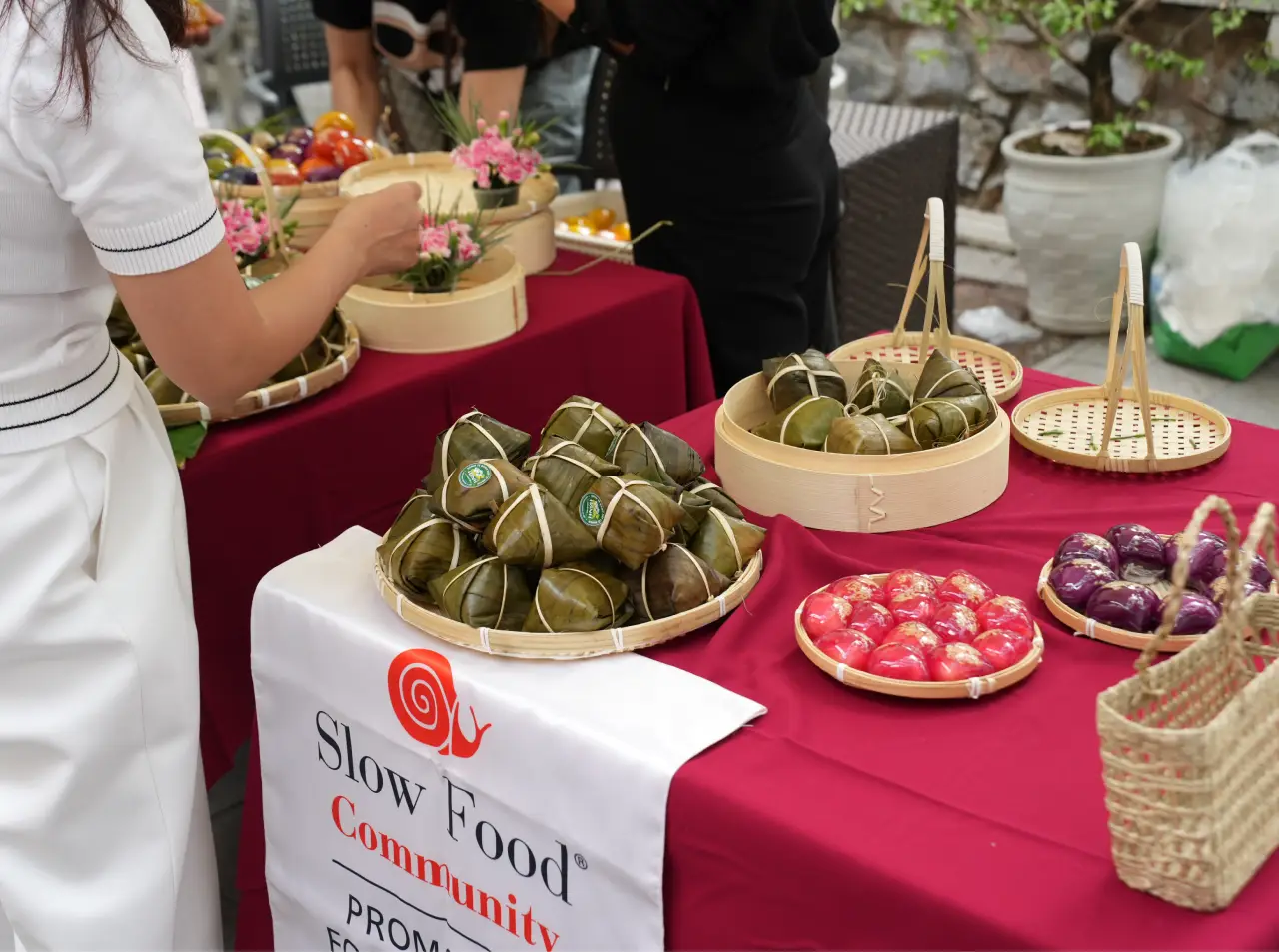
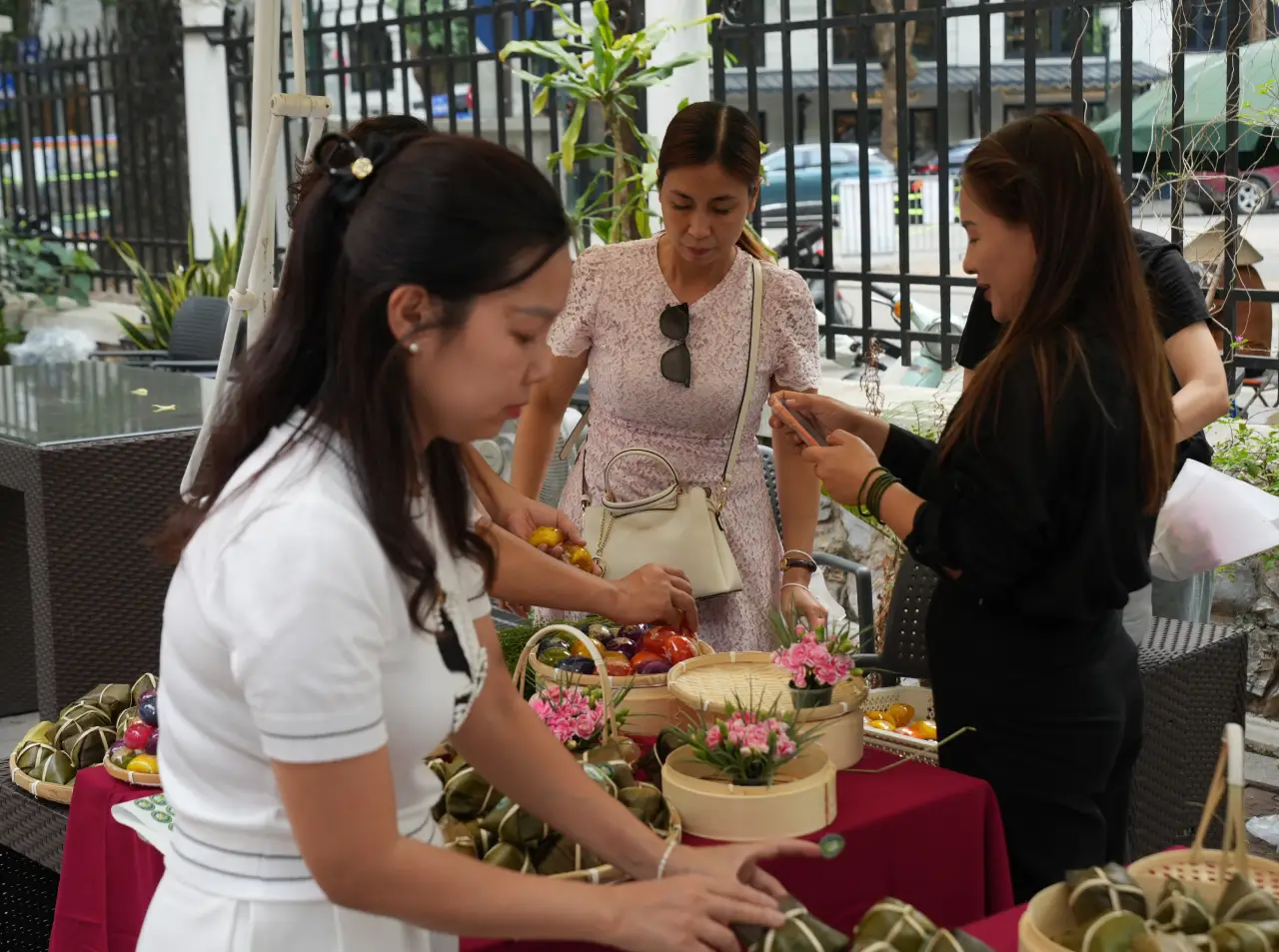
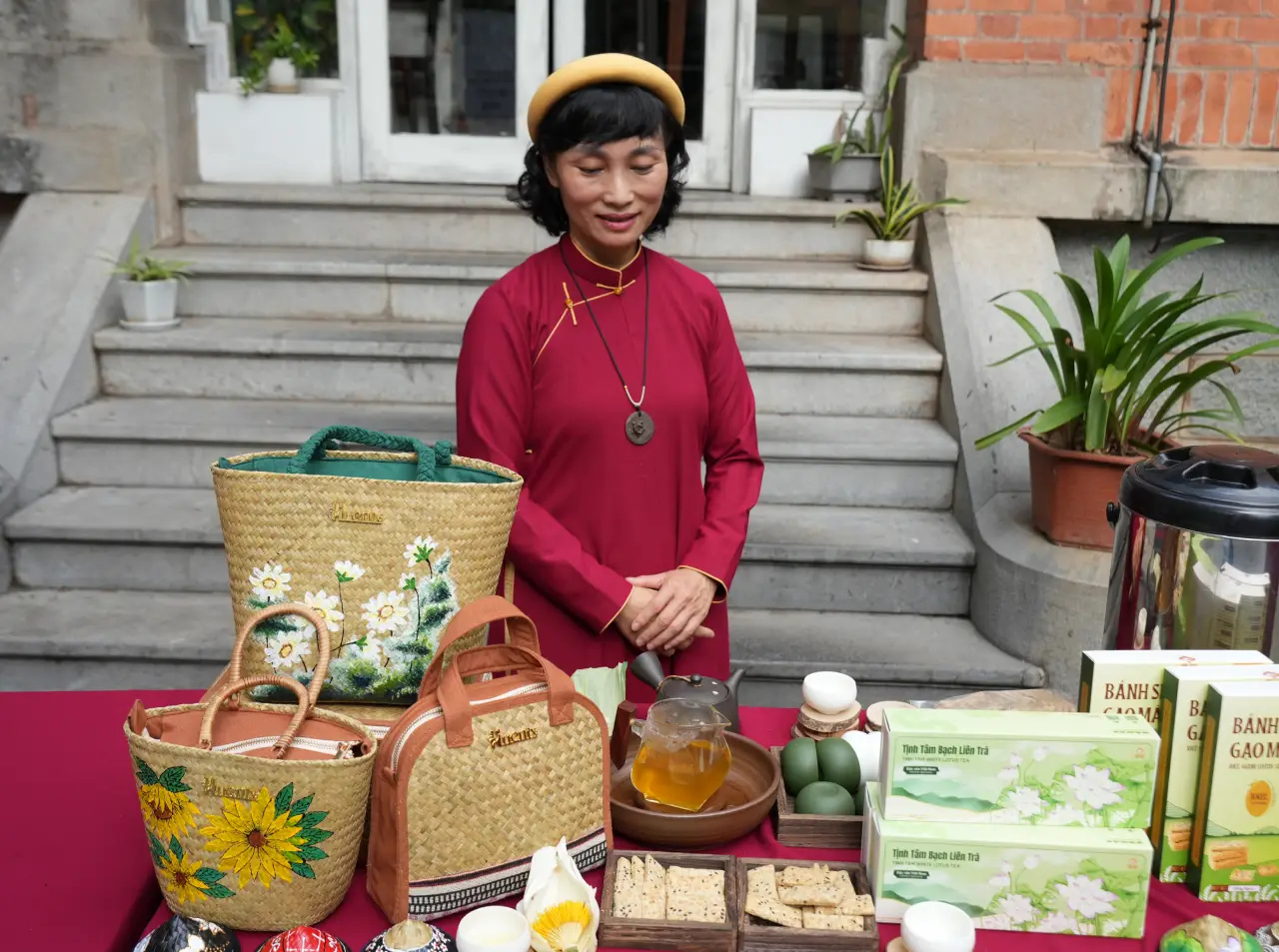
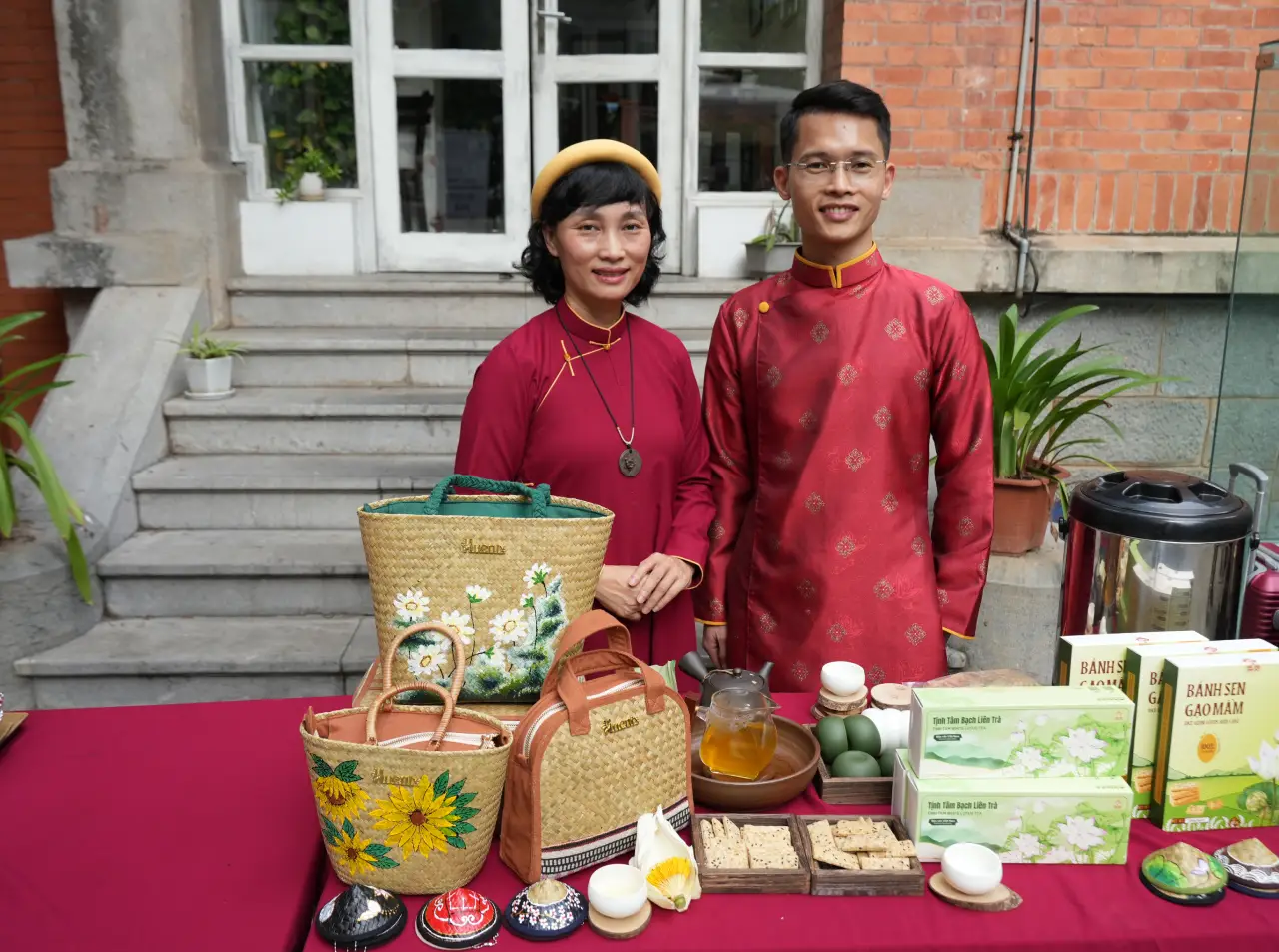
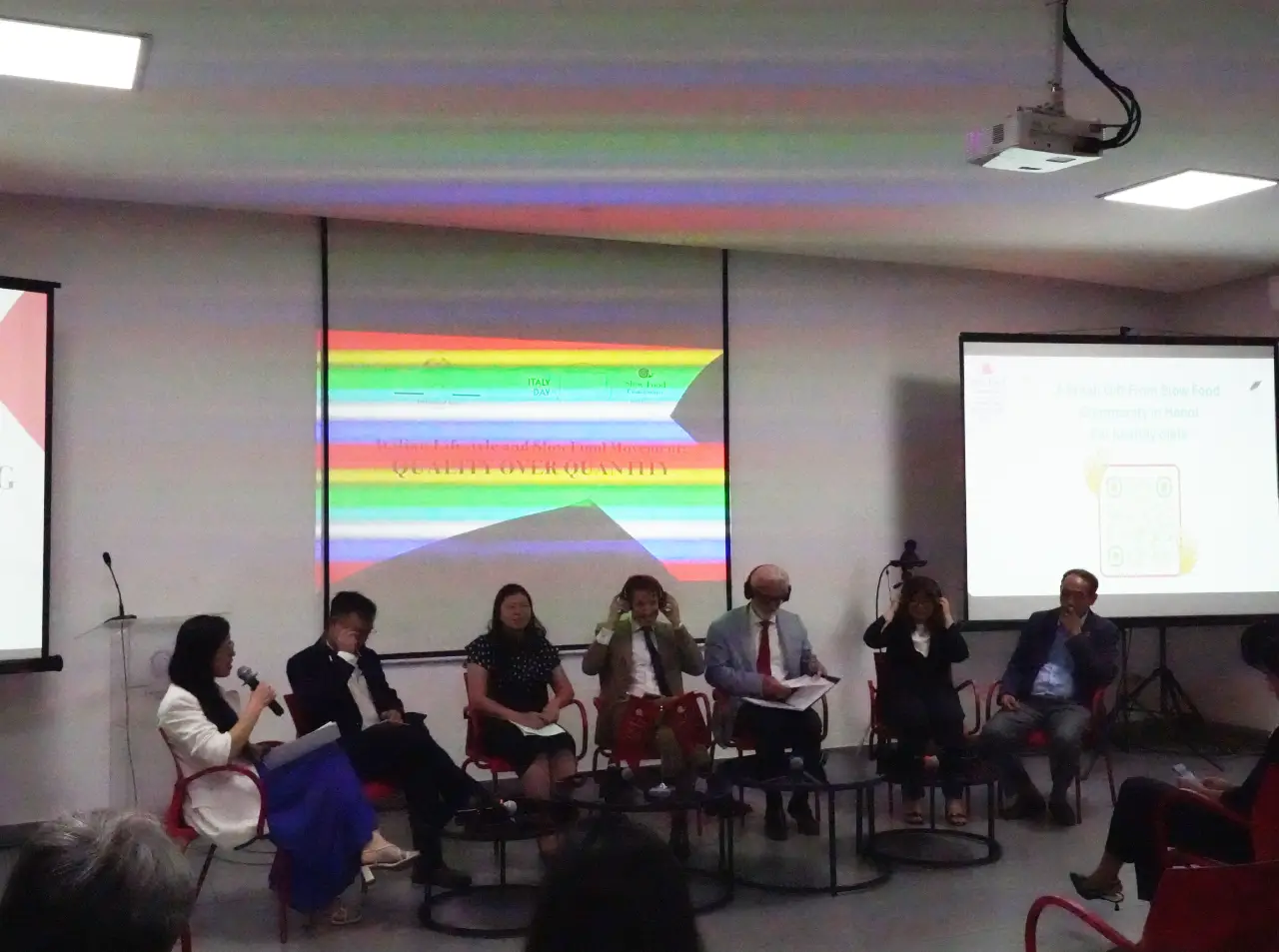
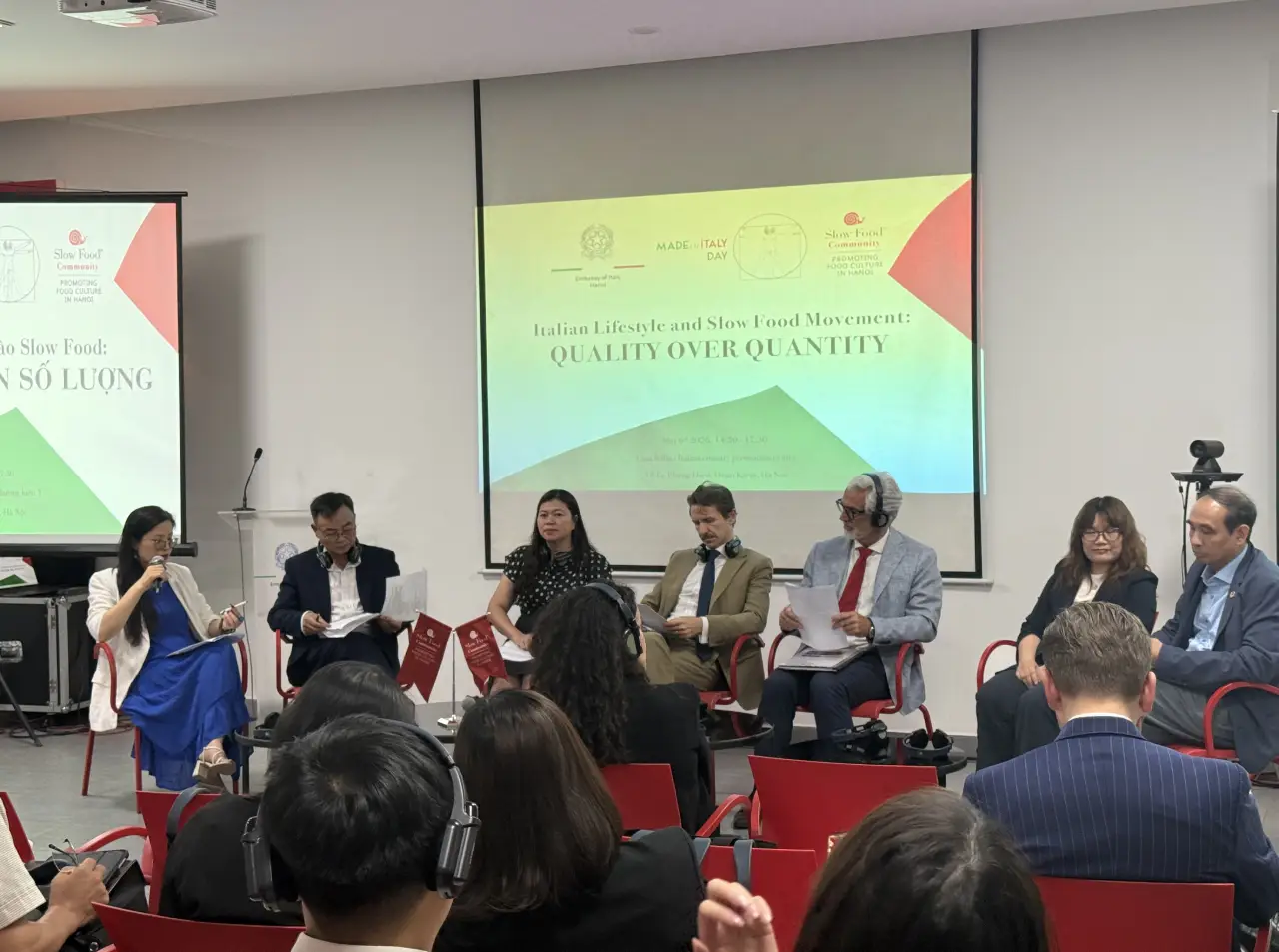
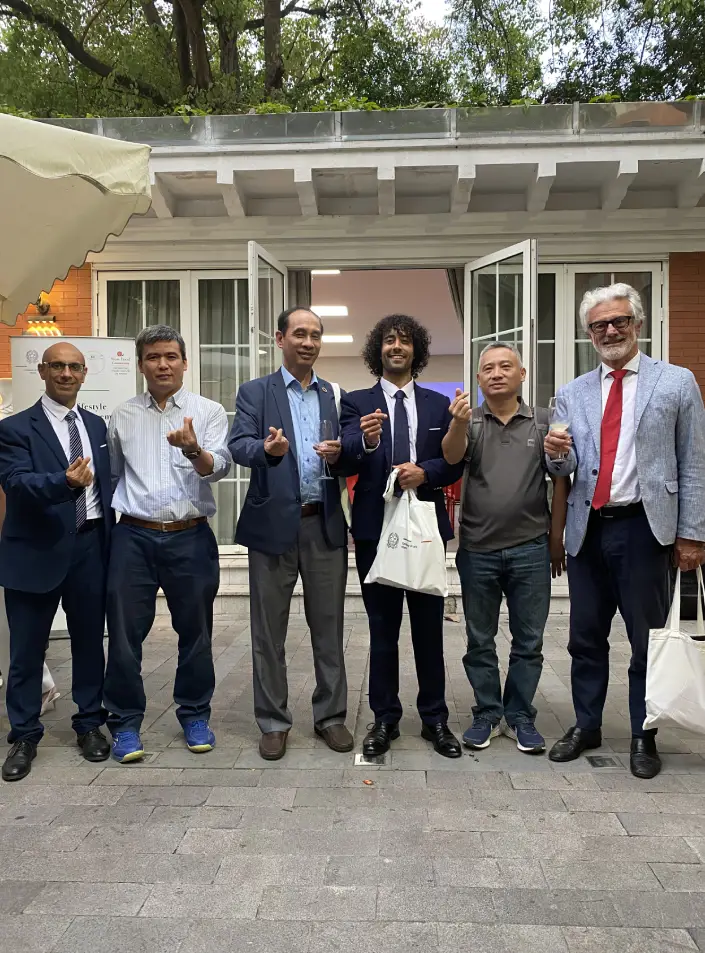
Today, at Casa Italia in Hanoi, the meeting entitled “Italian Lifestyle and Slow Food Movement: Quality over quantity” took place. It was a moment of dialogue and exchange that brought together institutional representatives, academics, and operators from the Italian and Vietnamese agri-food sectors. The event represented an important opportunity to reflect on the value of quality, sustainability, and international cooperation in the contemporary food system.
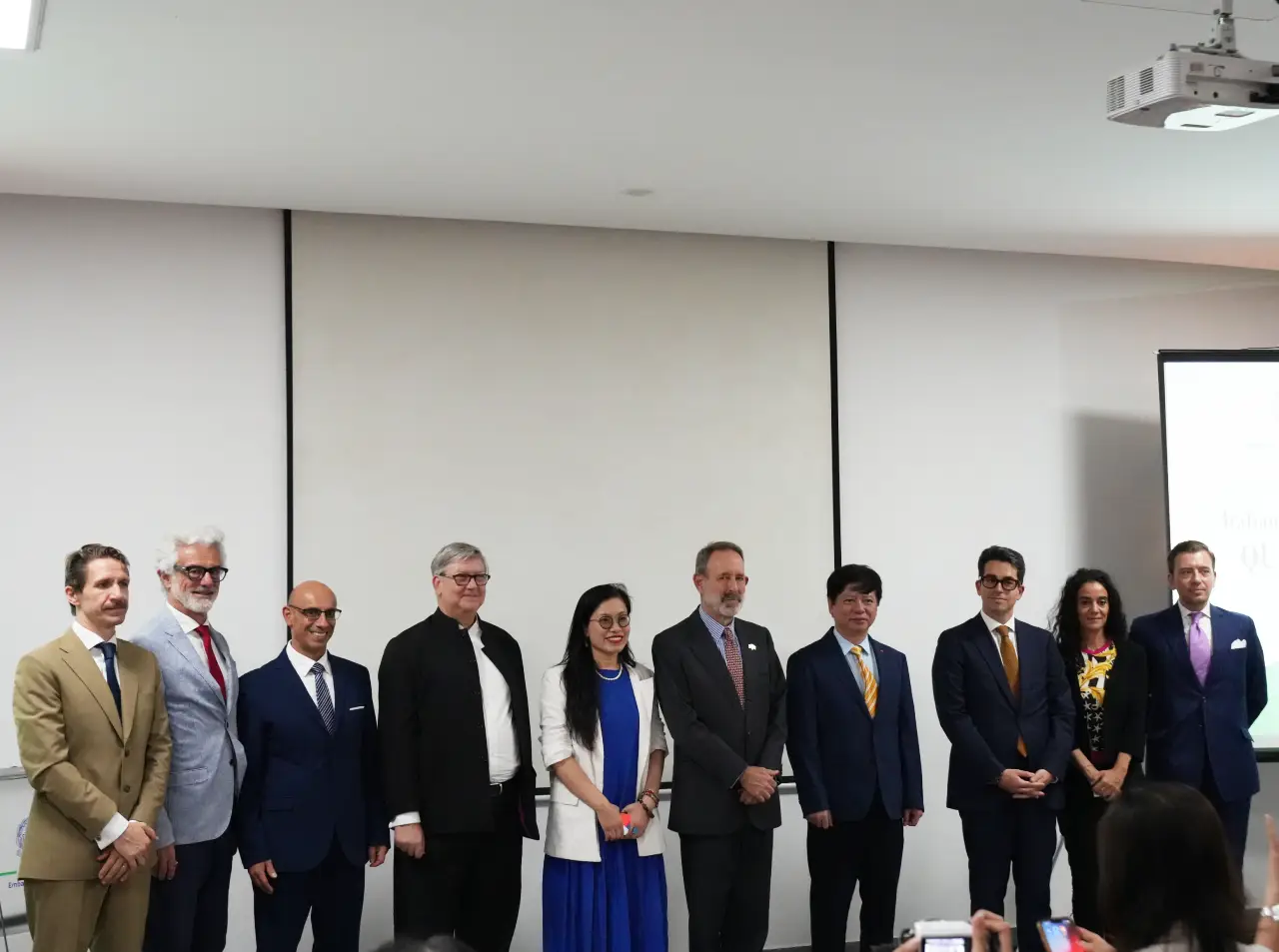
In the presence of the Ambassador of Italy to Vietnam, H.E. Marco Della Seta, and distinguished speakers including Dr. Pham Ngoc Mau, Deputy Director General of the Department of International Cooperation of the Ministry of Agriculture and Environment of Vietnam, Ms. Bich Pham and Prof. Marco Abbiati, co-founders of the Slow Food Community of Hanoi, together with Mr. Tomaso Andreatta, Vice President of the Italy-Vietnam Foundation, Mr. Giordano Emo Capodilista, Vice President of Confagricoltura, and Mr. Federico Vasoli, Chairman of the Italian Chamber of Commerce in Vietnam (ICHAM), a debate rich in content and perspectives unfolded.
At the heart of the discussion was the guiding principle of Slow Food: “quality over quantity”. This paradigm enhances the role of craftsmanship, short supply chains, and responsible production, promoting a food system based on three fundamental pillars: good food (quality), clean food (sustainable), and fair food (accessible to all). Founded in 1989 as a global movement to protect local food cultures, Slow Food has also found fertile ground in Vietnam in recent years.
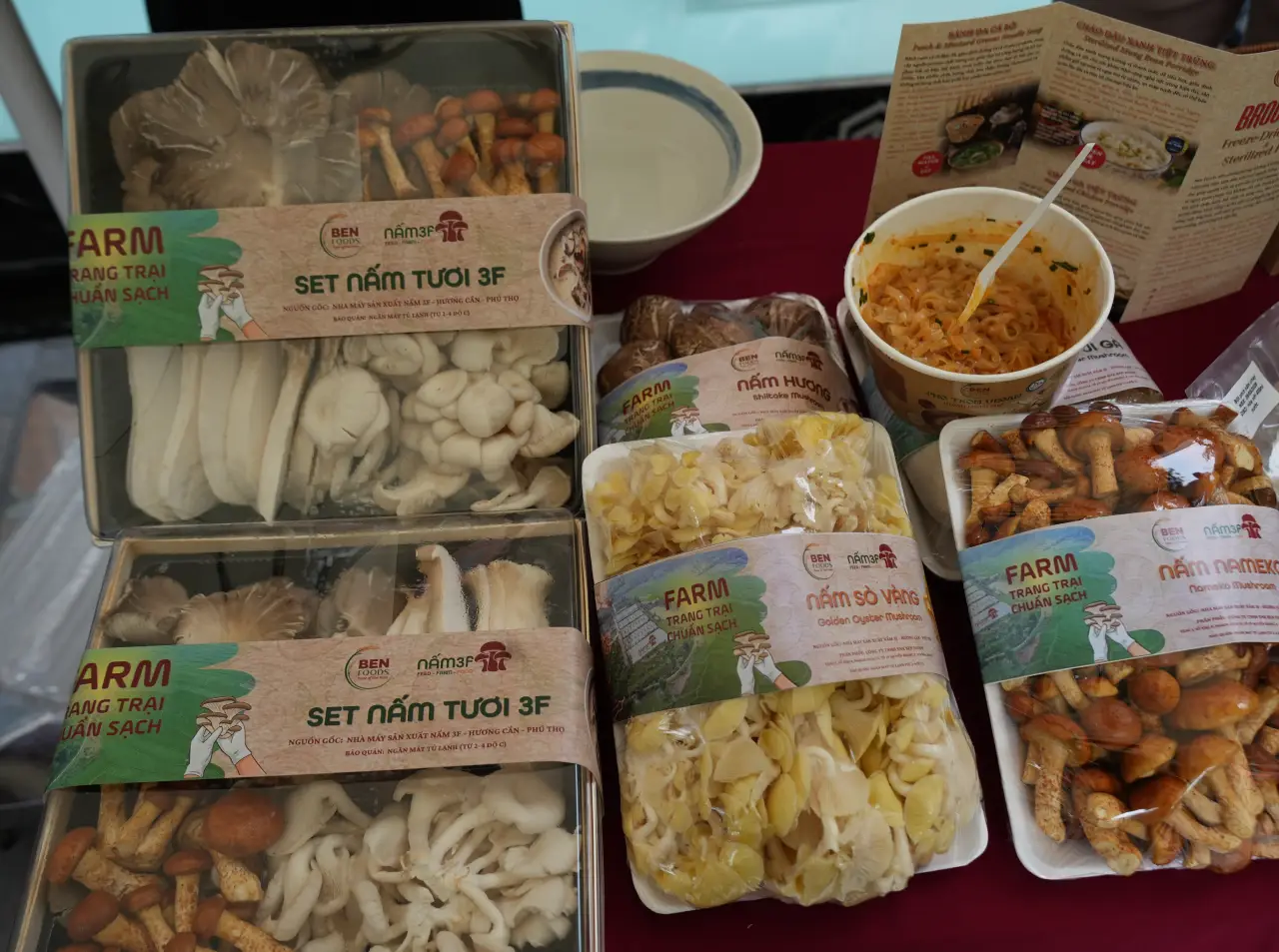
Particularly significant was the journey of the Slow Food Community of Hanoi, active for five years and established in 2020 with the support of the Embassy of Italy. The community has promoted initiatives aimed at enhancing local products such as rice, mushrooms, and pineapple, developing collaborations with universities — including HUS and international academic institutions — as well as with the business sector.
Further attention was dedicated to the Milan Urban Food Policy Pact (MUFPP), which today involves around 340 cities worldwide and proposes a framework of 37 actions for the development of sustainable food systems, structured around key areas such as governance, equity, production, waste management, distribution, and nutrition. In this context, the Municipality of Milan continues to represent a key reference point, while the Slow Food Community of Hanoi has supported several Vietnamese cities and provinces in joining the pact, facilitating access to knowledge and best practices through digital platforms and training programs.
Among the future initiatives, the Slow Food Farm 2026-2030 program was presented, aimed at strengthening partnerships with farms and promoting sustainable and innovative production models.
A relevant focus was also dedicated to the contribution of the Italian system, particularly the consortium model and the role of CSO Italy, which is committed to developing international collaborations to overcome sanitary and phytosanitary barriers (SPS). Through the use of advanced technologies in the processes of selection, packaging, preservation, and logistics, Italy confirms itself as a strategic partner capable of ensuring high quality standards throughout the entire supply chain.
Also of particular importance was the remote participation of Mr. Valtiero Mazzotti, representative of UNITEC Italia S.p.A., and Mrs. Simona Rubbi, Head of International and Institutional Relations at CSO Italy. Their two contributions offered a concrete and up-to-date overview of innovation in the agri-food sector, highlighting how advanced technologies applied to the selection, distribution, and preservation of products represent a key factor in ensuring quality, efficiency, and sustainability along the entire value chain.
The meeting clearly highlighted a shared development path: Vietnam looks to Italy not only as a cultural and gastronomic model, but also as a provider of technical expertise and advanced machinery, which are essential for the modernization of the agri-food sector.
The day concluded with a strong and coherent message: investing in quality, sustainability, and cooperation means building more resilient, inclusive food systems capable of generating long-term value. This is a goal that Italy and Vietnam now seem increasingly determined to pursue together.